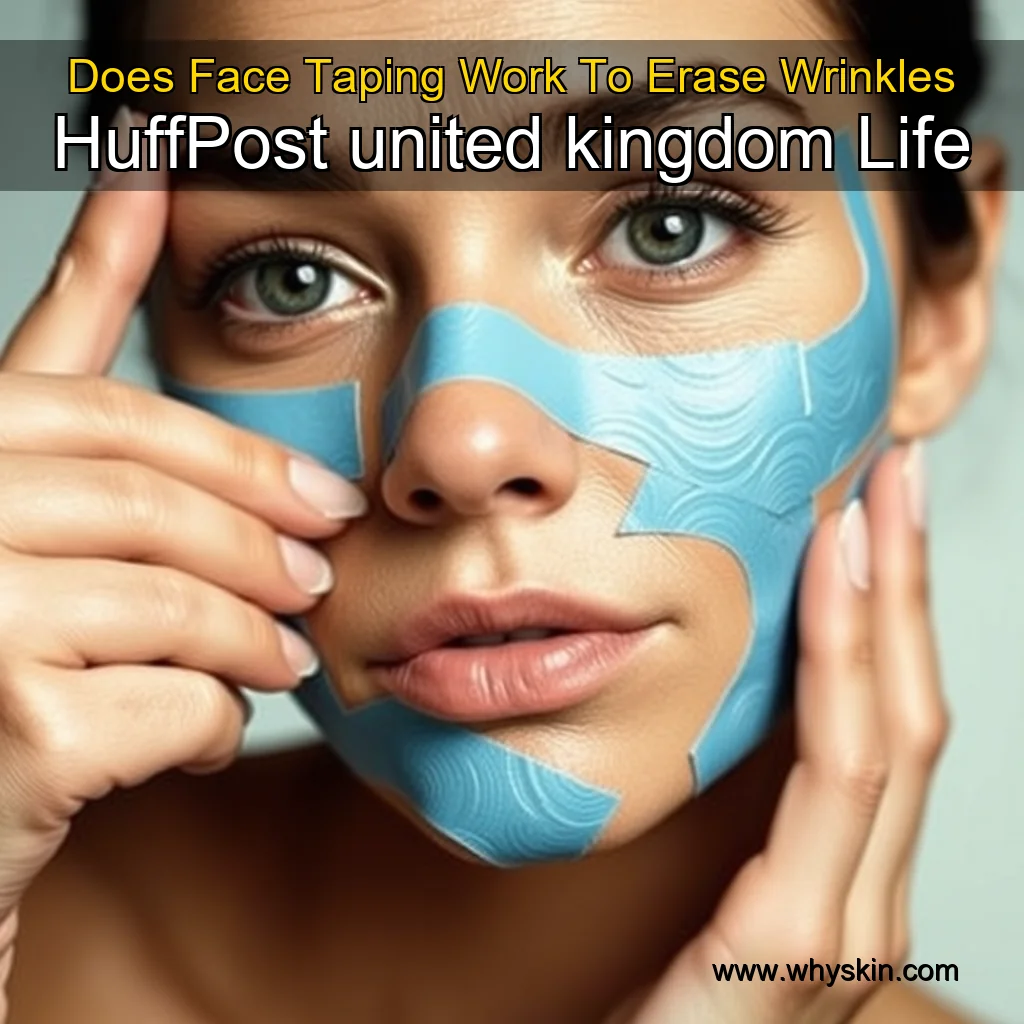
They are made from a variety of materials, including cotton, polyester, and silk, and come in a range of sizes and shapes.
The Origins of Wrinkle Patches
The concept of wrinkle patches dates back to the late 1800s, when they were first introduced as a solution to the problem of wrinkles. At that time, wrinkle patches were primarily worn at night, as they were seen as a more discreet and effective way to prevent wrinkles. The early wrinkle patches were made from cotton, a natural fiber that was breathable and gentle on the skin.
Types of Wrinkle Patches
How Wrinkle Patches Work
Wrinkle patches work by creating a barrier between the skin and the fabric, preventing wrinkles from forming. They are designed to be worn at night, when the skin is most prone to wrinkles. The patches are typically made from a thin, breathable material that allows for airflow and moisture transfer.
Benefits of Wrinkle Patches
This can lead to a temporary reduction in wrinkle depth and appearance. However, dermatologists are skeptical about the long-term effects of this method.
The Science Behind Wrinkle Patches
Wrinkle patches are a relatively new cosmetic treatment that has gained popularity in recent years. The patches are designed to be worn on the face, typically on the forehead, between the eyebrows, and around the mouth. They work by applying gentle pressure to the skin, which can help to relax the facial muscles that cause wrinkles. The patches are usually made of a thin, flexible material that is designed to be comfortable to wear. They are often made of silicone or a similar material that is breathable and hypoallergenic.
The Rise of Face-Taping: Separating Fact from Fiction
Face-taping, a trend that has gained significant attention in recent years, has been touted as a quick fix for wrinkles and fine lines. However, dermatologists are sounding the alarm, warning that this trend is not a long-term, viable solution for addressing these concerns.
The Science Behind Wrinkles
Wrinkles are a natural part of the aging process, caused by the loss of collagen and elastin, two essential proteins that give skin its strength and elasticity. As we age, our skin’s ability to produce these proteins decreases, leading to the formation of fine lines and wrinkles.
On the other hand, static wrinkles are those that form when you age, and they remain even after you stop emoting.
Understanding Dynamic Wrinkles
Dynamic wrinkles are a natural response to emotional expressions. They are a sign of the body’s natural response to stress and emotions. When we experience strong emotions, our muscles contract and relax, causing the skin to crease and form wrinkles. This process is a normal part of the emotional response, and it’s not a cause for concern. The good news is that dynamic wrinkles are temporary and will disappear once the emotion has passed. They are a natural and normal part of the emotional response, and they do not indicate any underlying health issues. Dynamic wrinkles can be a sign of a healthy emotional response, as they indicate that the body is responding to the emotional stimulus.
Understanding Static Wrinkles
Static wrinkles, on the other hand, are a sign of aging. They form when the skin loses its elasticity and firmness, causing it to sag and wrinkle. This process is a natural part of the aging process, and it’s not related to emotional expressions. Static wrinkles are a sign of the skin’s natural aging process, and they can be caused by a variety of factors, including genetics, sun exposure, and lifestyle choices. They can be a sign of a range of health issues, including skin cancer, and they can also be a sign of underlying health issues, such as diabetes and high blood pressure.
However, these methods are not a substitute for proper skincare and sun protection. They can also have unintended consequences, such as skin irritation, allergic reactions, or even infections. Furthermore, the long-term effects of using face-taping and wrinkle patches are not well understood, and their safety and efficacy have not been extensively studied.
The Dark Side of Anti-Aging: Uncovering the Risks of Face-Taping and Wrinkle Patches
The Promise of Quick Fixes
Face-taping and wrinkle patches have gained popularity in recent years as a quick and easy solution to reduce the appearance of fine lines and wrinkles. These products claim to provide a temporary solution to smooth out dynamic wrinkles and limit facial movements, giving users a more youthful appearance. However, it’s essential to separate fact from fiction and examine the potential risks associated with these products.
The Science Behind Face-Taping and Wrinkle Patches
Face-taping and wrinkle patches typically work by applying a sticky substance, such as honey or beeswax, to the skin to create a barrier that reduces wrinkle formation. Some products also contain ingredients like collagen or elastin, which are believed to improve skin elasticity and firmness.
Sleeping on your back can help reduce wrinkles by reducing the amount of time your face is exposed to gravity. When you sleep on your back, your face is not subjected to the constant downward pull of gravity, which can cause wrinkles and fine lines. Sleeping on your back can also help reduce the formation of nasolabial folds, which are the creases that form between your nose and mouth.
The Benefits of Sleeping on Your Back
Sleeping on your back can have numerous benefits for your skin, including reducing wrinkles and fine lines, and reducing the formation of nasolabial folds.
Wrinkle patches, on the other hand, can provide a temporary solution to reduce the appearance of wrinkles. However, they are not a substitute for a comprehensive skincare routine.
The Science Behind Wrinkle Prevention
Wrinkles are a natural part of aging, but they can be exacerbated by various factors such as sun exposure, smoking, and genetics. The skin’s natural ability to regenerate itself is also compromised as we age, leading to a decrease in collagen production. This decline in collagen production is a major contributor to the formation of wrinkles. Collagen is a protein that provides structure and elasticity to the skin.
The Myth of Face-Taping
Face-taping, also known as facial taping or facial strapping, has gained popularity in recent years as a supposed solution for various skin concerns. Proponents claim that face-taping can improve skin texture, reduce the appearance of fine lines and wrinkles, and even out skin tone. However, a closer examination of the available evidence reveals that face-taping is largely a myth with no scientific backing.
The Lack of Clinical Evidence
Despite its widespread use, there is no concrete clinical evidence to support the long-term benefits of face-taping. In fact, numerous studies have failed to demonstrate any significant improvements in skin health or appearance. This lack of evidence is particularly concerning when considering the potential risks associated with face-taping, such as skin irritation, allergic reactions, and even scarring. The American Academy of Dermatology has not endorsed face-taping as a treatment for any skin condition. The National Institutes of Health (NIH) has not funded any studies on the efficacy of face-taping.
This is often due to the presence of certain chemicals, such as solvents, fragrances, or dyes, which can cause irritation and allergic reactions.
The Risks of Adhesives on Sensitive Skin
Adhesives can cause a range of skin reactions, from mild irritation to severe allergic reactions.
The Risks of Using Retinoids
When it comes to using retinoids, it’s essential to be aware of the potential risks involved. These powerful skincare ingredients can have a profound impact on the skin, but they can also cause irritation, dryness, and other adverse effects.
Understanding the Skin’s Outer Layer
The skin’s outer layer, also known as the stratum corneum, is a delicate barrier that protects the skin from external factors like pollution, UV radiation, and other environmental stressors. When using retinoids, it’s crucial to understand that these ingredients can weaken this layer, making it more vulnerable to irritation or peeling, especially when using adhesives like tapes.
The Connection Between Retinoids and Adhesives
Adhesives like tapes can cause skin irritation, redness, and dryness, which can be exacerbated by the use of retinoids.