
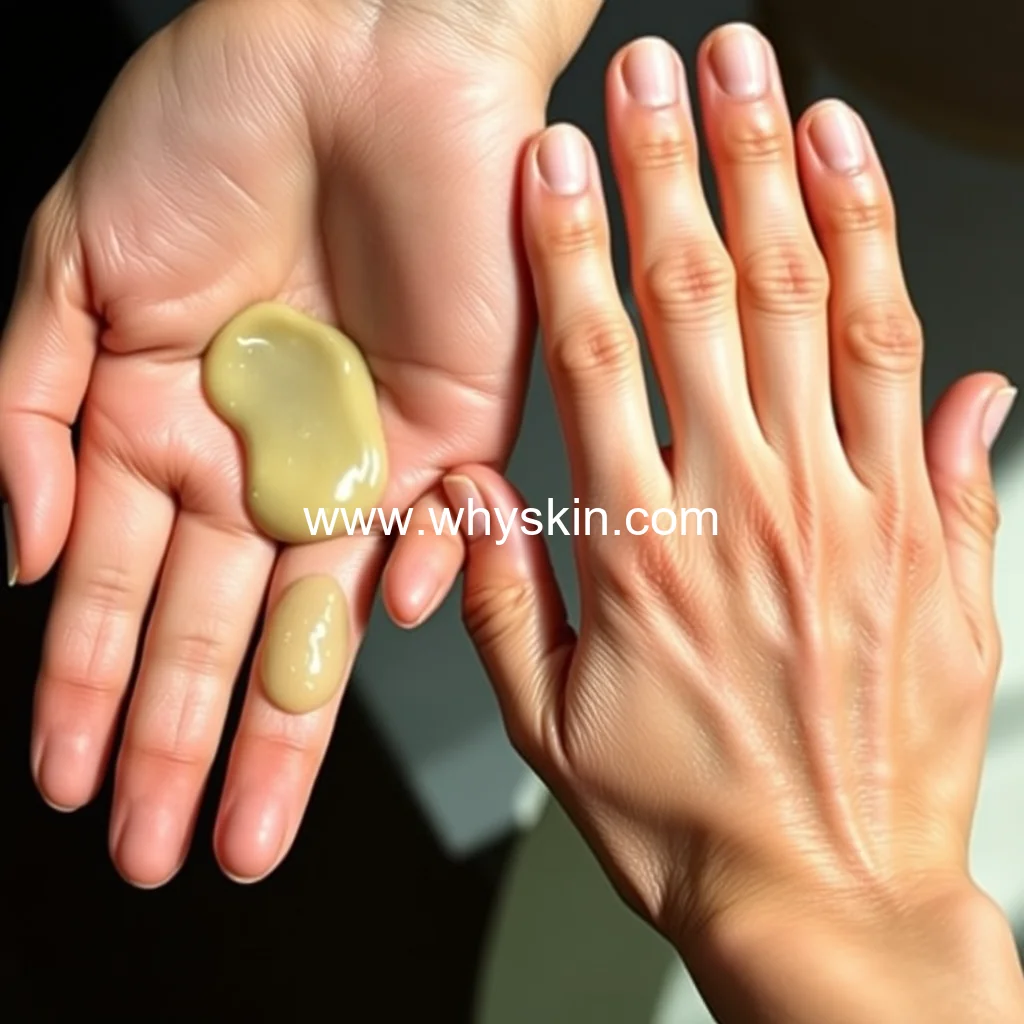
A study published in the journal found that topical application of platelet-rich plasma (PRP) or vitamin C resulted in significant improvements in the appearance of age spots on the hands, with a mean reduction in the number of age spots of 34.6% and 30.5% respectively.
The Science Behind Topical Treatments for Photoaging
Photoaging, a common consequence of sun exposure, leads to the formation of age spots, wrinkles, and loss of skin elasticity. The skin’s natural ability to regenerate and repair itself is compromised, resulting in a visible decline in skin appearance.
However, the hands are often overlooked, leading to a lack of attention to this area. In this article, we will explore the causes, symptoms, and treatments for brown spots on the hands.
Causes of Brown Spots on the Hands
Brown spots on the hands can be caused by a variety of factors, including:
Symptoms of Brown Spots on the Hands
Brown spots on the hands can manifest in different ways, including:
However, the efficacy of these treatments can vary depending on the individual and the specific formulation.
Understanding the Science Behind HPE
HPE is a natural, non-invasive, and non-surgical treatment that has been gaining popularity in recent years. It is derived from the platelets in human blood, which are rich in growth factors and other bioactive molecules.
HPE was also found to be “non-inferior” to vitamin C in reducing the severity of wrinkles.
Introduction
The quest for a more youthful appearance has led researchers to explore various topical treatments, including HPE (Hydroxyethylpiperazineethanesulfonic acid) and vitamin C. Both ingredients have been touted for their anti-aging properties, but which one truly stands out?
The Challenges of Topical Vitamin C
Topical vitamin C is a popular skincare ingredient, but it also comes with several challenges that need to be addressed.
Stability Issues
One of the main concerns with topical vitamin C is its stability. Vitamin C is a highly reactive molecule that can degrade quickly when exposed to air, water, or light. This means that even if you’re using a high-quality vitamin C product, it may not be effective for long. Vitamin C is often added to skincare products in the form of sodium ascorbate or magnesium ascorbyl phosphate, which are more stable than the pure form of vitamin C. However, these stabilized forms can still break down over time, reducing their effectiveness. To mitigate this issue, some manufacturers use antioxidants like vitamin E or ferulic acid to help stabilize the vitamin C.
pH Balance
Another challenge with topical vitamin C is its potential to disrupt the skin’s pH balance. Vitamin C is a weak acid that can lower the skin’s pH, potentially causing irritation or dryness. The skin’s natural pH is slightly acidic, ranging from 4.5 to 5.5. Vitamin C can lower this pH even further, potentially causing irritation or dryness, especially in sensitive skin.

