
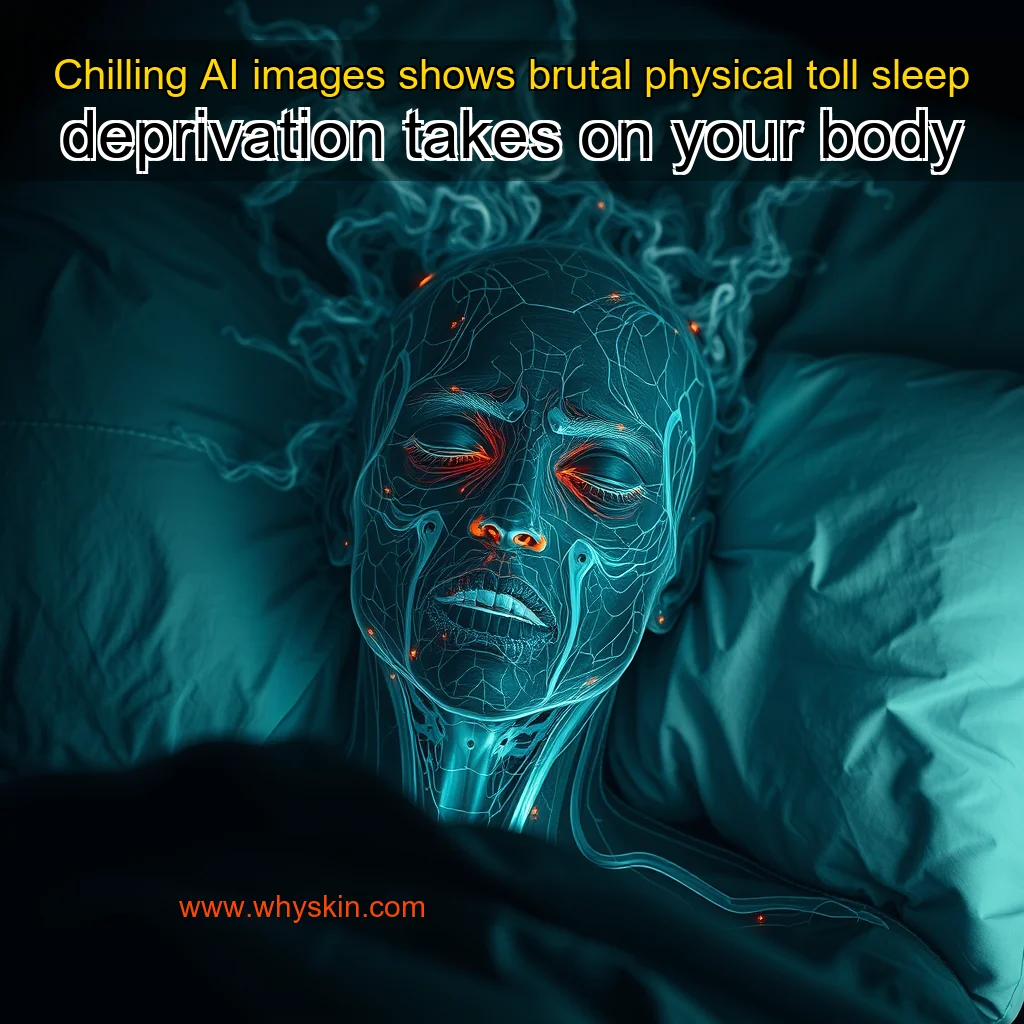
The results showed that 1 in 5 adults in the UK sleep less than 7 hours per night, which is a significant concern for public health.
The Importance of Sleep
Sleep is a fundamental aspect of human life, and its importance cannot be overstated. During sleep, our bodies repair and regenerate tissues, build bone and muscle, and strengthen our immune systems. Moreover, sleep plays a critical role in cognitive function, including memory consolidation, problem-solving, and decision-making. Without adequate sleep, we risk experiencing impaired cognitive function, decreased productivity, and increased risk of chronic diseases such as diabetes, cardiovascular disease, and obesity.
The UK Sleep Survey
The UK Sleep Survey, conducted by experts at Simba, aimed to shed light on the sleep habits of adults in the UK. The survey involved 2,175 adults across the country, who were asked about their sleep patterns and habits. The results of the survey revealed some alarming statistics about sleep deprivation in the UK.
Key Findings
55%). Women are also more likely to experience sleep deprivation due to work-related stress (71% vs.
The Sleep Deprivation Epidemic in Britain
Sleep deprivation is a widespread issue in Britain, affecting a significant portion of the population. According to recent statistics, over 60% of Brits get less than 7 hours of sleep per night, which is a concerning trend that has serious implications for their physical and mental health.
The Gender Divide in Sleep Deprivation
The data reveals a stark difference in sleep deprivation between men and women. Women are more likely to experience sleep deprivation, with 62% of women reporting less than 7 hours of sleep per night, compared to 55% of men. This disparity is not only significant but also has important implications for women’s health.
Factors Contributing to Sleep Deprivation in Women
Several factors contribute to the higher prevalence of sleep deprivation in women. One major factor is work-related stress. Women are more likely to experience sleep deprivation due to work-related stress, with 71% of women reporting this as a significant contributor to their sleep deprivation, compared to 55% of men. This is likely due to the fact that women often take on more caregiving responsibilities, which can lead to increased stress levels.
The Impact of Aging on Skin Health
As we age, our skin undergoes a series of changes that can affect its health and appearance. One of the most significant effects of aging on skin health is the increase in skin conditions such as eczema and psoriasis. In this article, we will explore the impact of aging on skin health, focusing on the effects of aging on facial eczema and psoriasis.
The Rise of Facial Eczema in Young Adults
Facial eczema, also known as atopic dermatitis, is a chronic skin condition that affects millions of people worldwide. It is characterized by dry, itchy, and inflamed skin, often accompanied by small, raised bumps. As we age, the risk of developing facial eczema increases, particularly among young adults. Key statistics: + 44% of those aged 35-44 reported an increase in facial eczema + Over half of those aged 18-34 reported experiencing psoriasis on their arms
+ Genetics: Family history plays a significant role in the development of facial eczema + Environmental factors: Exposure to allergens, irritants, and stress can trigger facial eczema + Hormonal changes: Hormonal fluctuations during pregnancy, menopause, or puberty can contribute to facial eczema
The Severity of Psoriasis in Young Adults
Psoriasis is a chronic autoimmune condition that causes red, scaly patches on the skin.
The UK’s National Health Service (NHS) has reported a significant increase in obesity-related health issues, including heart disease, stroke, and diabetes.
The Obesity Epidemic in the UK
The UK is facing a growing health crisis, with obesity rates on the rise.
The Relationship Between Sleep and Belly Fat
Sleep plays a crucial role in regulating various physiological processes, including metabolism, hormone regulation, and inflammation. When we don’t get enough sleep, our bodies can become less efficient at these processes, leading to a range of negative effects, including weight gain and increased belly fat.
The Science Behind Sleep and Belly Fat
Research has shown that sleep deprivation can disrupt the balance of hormones that regulate hunger and fullness.
The Science Behind Late-Night Eating
Late-night eating is a common phenomenon, especially among young adults. Research suggests that hormonal fluctuations during the night can trigger increased appetite and cravings for high-calorie foods. The primary culprit behind this is the hormone leptin, which regulates energy balance and metabolism.
The Prevalence of Eczema and Dermatitis
Eczema and dermatitis are two common skin conditions that affect millions of people worldwide. According to recent studies, approximately half of the population experiences eczema or dermatitis at some point in their lives. This prevalence is not limited to any particular age group or demographic, but it is more common among certain populations.
Age and Gender
The Causes of Eczema and Dermatitis
Eczema and dermatitis are complex conditions that can be caused by a combination of genetic, environmental, and lifestyle factors. Some of the common causes of eczema and dermatitis include:
A medium-firm mattress is often preferred by people who have back pain or other musculoskeletal issues.
The Importance of Sleep and Mattress Quality
Sleep is a vital component of our overall health and wellbeing. During sleep, our bodies repair and rejuvenate themselves, and our brains process and consolidate memories. However, many of us are not getting enough sleep, and this can have serious consequences for our physical and mental health.
The Consequences of Insufficient Sleep
The Impact of Mattress Quality on Sleep
A good night’s sleep is essential for our physical and mental health, and a comfortable mattress is a crucial component of a restful night’s sleep. However, many of us are not getting the best possible sleep due to a subpar mattress.
