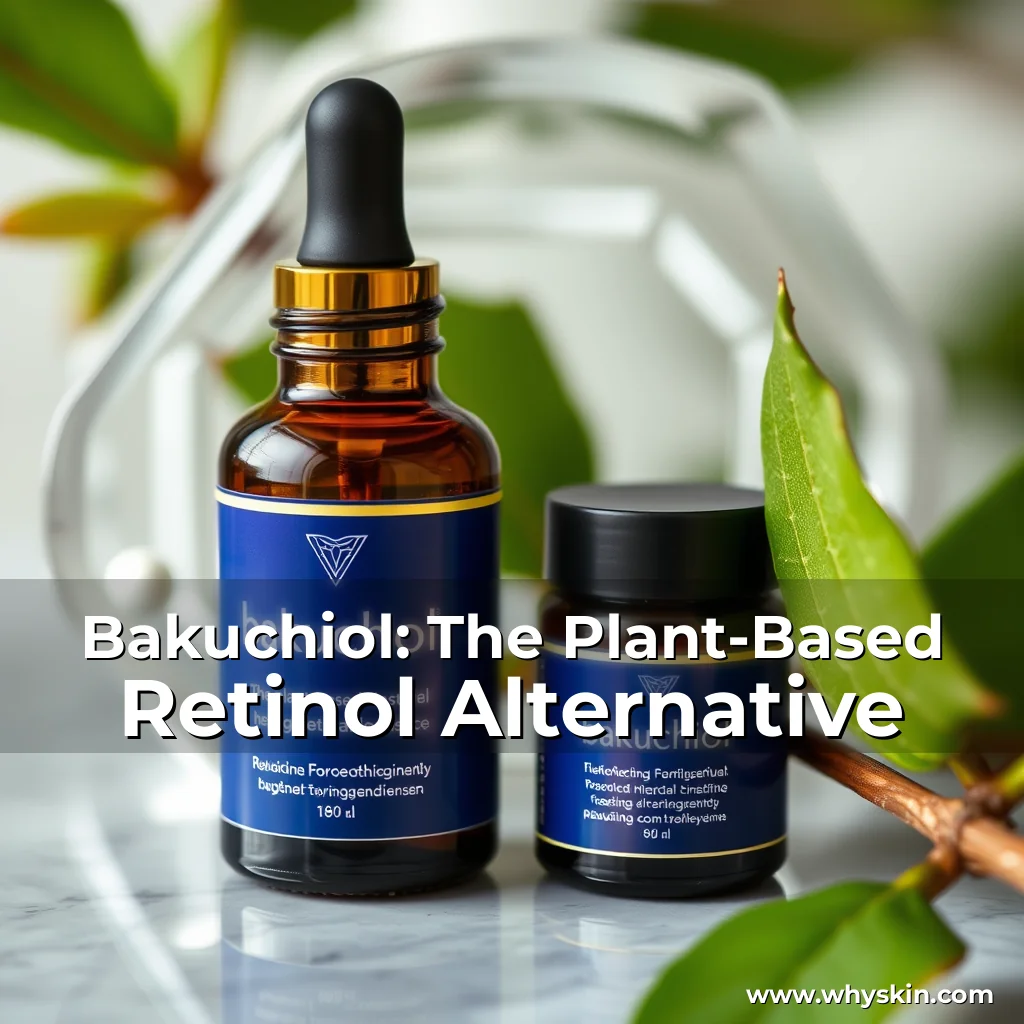
Bakuchiol is a plant-derived ingredient extracted from the leaves and seeds of the Psoralea corylifolia plant, also known as babchi. This ancient herb has been used for centuries in traditional Ayurvedic and Chinese medicine to promote skin health and address various skin concerns. In recent years, bakuchiol has gained significant attention in the skincare industry due to its impressive anti-aging properties and potential to address skin concerns without the irritation associated with retinol. The benefits of bakuchiol are numerous, and its effects are comparable to those of retinol, a derivative of vitamin A. Studies have shown that bakuchiol can stimulate collagen production, prevent fine lines and wrinkles, and increase skin elasticity. However, bakuchiol is generally considered gentler and more suitable for sensitive skin compared to retinol.
What is the best form of bakuchiol?
Bakuchiol can be found in various forms, including serums, creams, and oils. While the texture may not affect the efficacy of bakuchiol, a serum formulation may offer a more lightweight and gentle delivery of the ingredient. On the other hand, a cream or oil may provide a more hydrating form of delivery, making it suitable for dry or mature skin.
What percentage of bakuchiol is the most effective?
According to board-certified dermatologist Mina Amin, 0.5-2% of bakuchiol is the most effective concentration. Beginners or those with sensitive skin may prefer a lower percentage, while experienced users or those with deep wrinkles may find a higher percentage more suitable.
Is bakuchiol a “retinol alternative”?
While bakuchiol is often referred to as a plant-based retinol alternative, it is essential to understand that the two ingredients are not identical. Retinol, a derivative of vitamin A, stimulates collagen production, prevents fine lines and wrinkles, and increases skin elasticity. However, retinol is commonly associated with side effects of irritation and dryness, particularly for individuals with dry skin. Bakuchiol, on the other hand, demonstrates similar benefits with a lower risk of irritation.
How long does it take to see the results of bakuchiol?
Just like most skincare products, it takes a few months to see improvement with bakuchiol. You can expect to see visible improvements in 4-12 weeks of consistent use. However, results can be longer compared to retinol.
Who should use bakuchiol?
Bakuchiol is suitable for individuals with sensitive skin, pregnant or breastfeeding women, those looking for a natural alternative to retinol, and those with issues concerning aging, hyperpigmentation, or uneven skin texture.
What are the downsides of bakuchiol?
While bakuchiol shows promise, its claims are not entirely backed by research. There is a risk of sensitivity, redness, dryness, or stinging of the skin, particularly when introducing it slowly. It is essential to pair bakuchiol with other ingredients that do not stimulate cell turnover, such as sunscreens and moisturizers.
What should you not pair with bakuchiol?
To avoid irritating the skin, it is recommended to avoid pairing bakuchiol with vitamin A derivatives, such as retinol products. This is because piling on too many ingredients that stimulate cell turnover can cause the cells to turn over too quickly, resulting in redness, dryness, and flakiness.
Expert Insights
Bakuchiol has gained attention from dermatologists and skincare experts due to its impressive anti-aging properties and potential to address skin concerns without the irritation associated with retinol. Dr. Mina Amin, board-certified dermatologist, emphasizes that bakuchiol is a gentle and effective alternative to retinol, suitable for sensitive skin. Divya Shokeen, a board-certified dermatologist, notes that bakuchiol is a gentle, all-natural formula suitable for all skin types. She recommends it as a retinol alternative and praises its nourishing serum-texture that sinks into skin and pairs well with face moisturizers. Howard Sobel, board-certified cosmetic dermatologic surgeon, cautions that while bakuchiol shows promise, its claims are not entirely backed by research. He recommends introducing the skin to it slowly and pairing it with other ingredients that do not stimulate cell turnover.
The Best Bakuchiol Serums
1.
| Product | Price | Key Ingredients |
|---|---|---|
| Paula’s Choice Clinical 0.3% Retinol + 2% Bakuchiol Treatment | $65 | Bakuchiol, NeoGlucosamine, MicroDiPeptide 229, NeoCitriate, Vitamin E |
| Avène RetrinAL Advanced Correcting Serum | $78 | Bakuchiol, Hydrolyzed Collagen |
| Haruharu Wonder Black Rice Bakuchiol Eye Cream | $10 | Bakuchiol, Black Rice Extract |
| Cetaphil Healthy Radiance Renewing Cream | $20 | Bakuchiol, Glycerin |
| Medik8 Bakuchiol Peptides Serum | $58 | Bakuchiol, Peptides |
| Allies of Skin CE15 Bakuchiol Firming Oil | $154 | Bakuchiol, Jojoba Seed Oil |
The Best Bakuchiol Serums for Sensitive Skin
- Paula’s Choice Clinical 0.3% Retinol + 2% Bakuchiol Treatment
- Medik8 Bakuchiol Peptides Serum
- Herbivore Moon Fruit 1% Bakuchiol + Peptides Retinol Alternative Serum
The Best Bakuchiol Serums for Dry Skin
- Allies of Skin CE15 Bakuchiol Firming Oil
- Cetaphil Healthy Radiance Renewing Cream
- Haruharu Wonder Black Rice Bakuchiol Eye Cream
How to Incorporate Bakuchiol into Your Skincare Routine
1.
Start with a small amount
2.
Apply it to clean skin
3.
Use it as part of a skincare routine that includes sun protection
4.
Be patient and give it time to work
Conclusion
Bakuchiol is a plant-based retinol alternative that offers impressive anti-aging benefits and potential to address skin concerns without the irritation associated with retinol. With its gentle and effective properties, bakuchiol is suitable for sensitive skin and can be incorporated into a skincare routine that includes sun protection. While more research is needed to fully understand its benefits, bakuchiol has gained attention from dermatologists and skincare experts due to its potential to address skin concerns without the irritation associated with retinol.

news is a contributor at WhySkin. We are committed to providing well-researched, accurate, and valuable content to our readers.