
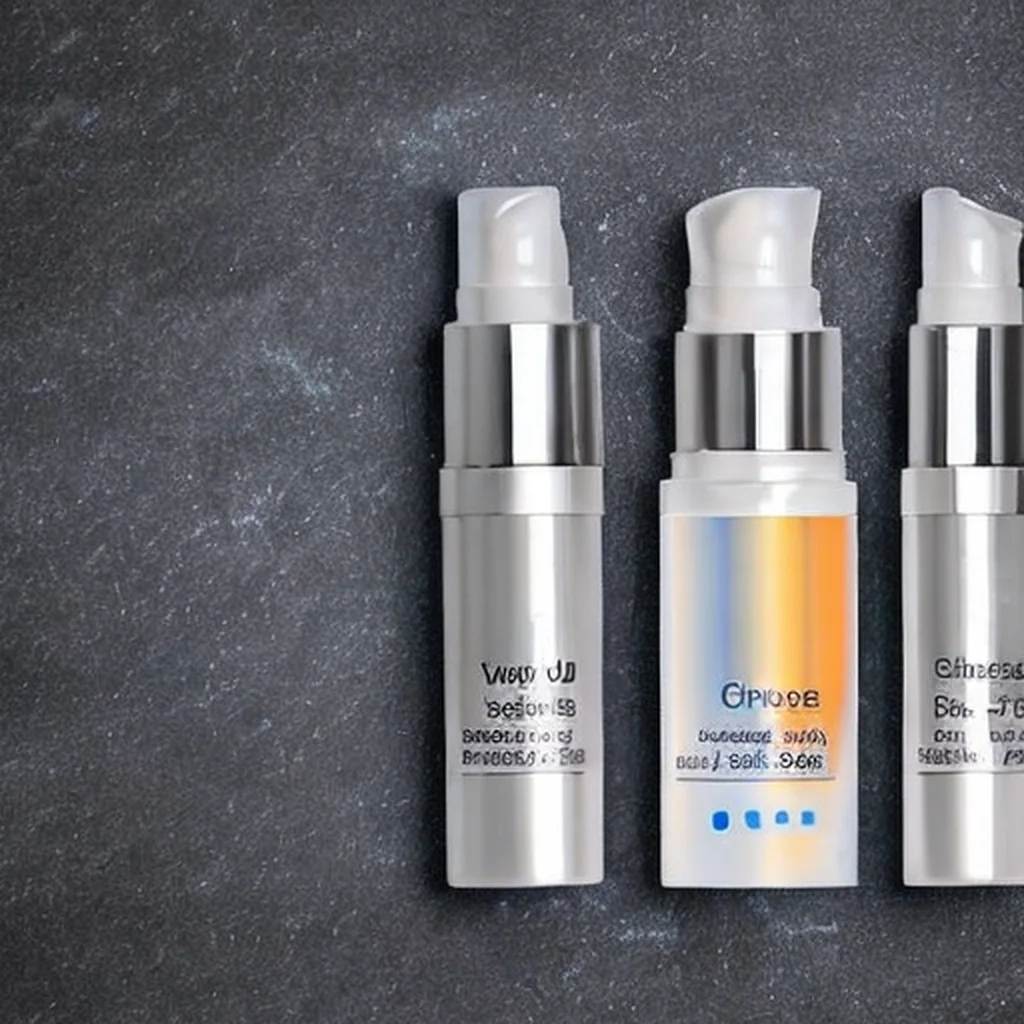
**Retinoids: Prescription Power vs.
Prescription retinoids are typically used for acne and other skin conditions, while over-the-counter retinoids are designed for general skin health and anti-aging. The key difference between prescription and over-the-counter retinoids lies in their concentration and the specific ingredients they contain. Prescription retinoids are typically stronger and contain higher concentrations of retinol, tretinoin, or adapalene.
Retinol is a fat-soluble molecule with antioxidant and wound-healing abilities. It helps with tissue regeneration and accelerates cell turnover, which slows down as we age, resulting in a build-up of dead skin cells in the upper layers of our skin. By boosting the turnover of cells, retinoids help stimulate the production of collagen and elastin, which address skin concerns such as fine lines, wrinkles, uneven skin tone and acne. Then there are the derivatives, called pro-retinols (retinyl palmitate, retinyl acetate and retinyl linoleate), which are gentler but also weaker and take longer to deliver results. Try a moisturiser like SkinCeuticals Retinol 0.5 ($139).

news is a contributor at WhySkin. We are committed to providing well-researched, accurate, and valuable content to our readers.


