Oat , Coconut , or Soy ? Nutritionists Weigh in on the Healthiest Dairy – Free Milk Options
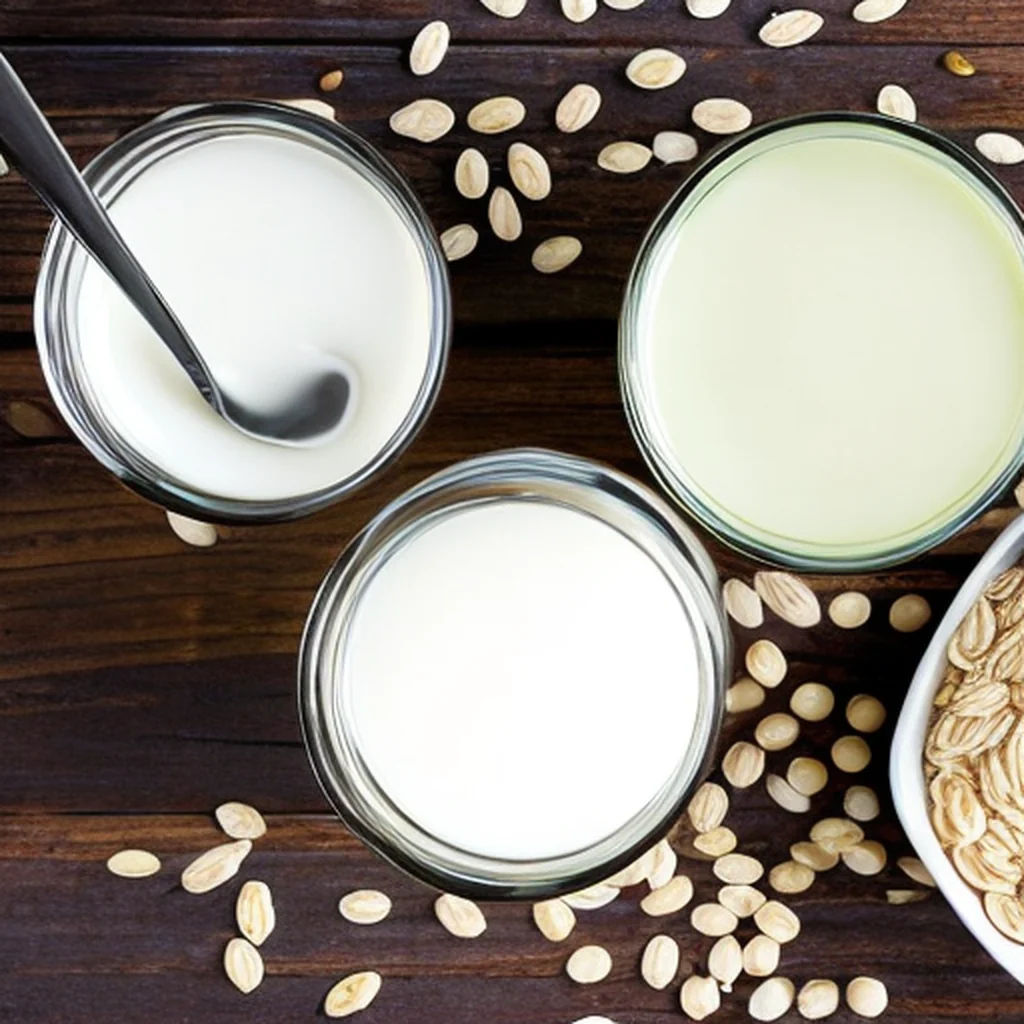
This article will explore the reasons behind this growing trend and delve into the various types of dairy-free milk available. Let’s dive in! **Why are Americans choosing dairy-free milk?**
The reasons behind the rising popularity of dairy-free milk are multifaceted and include:
* **Dietary restrictions and allergies:** A significant portion of the population, particularly those with lactose intolerance, dairy allergies, or other sensitivities, are turning to dairy-free alternatives. * **Ethical concerns:** Growing awareness of animal welfare and environmental impact associated with dairy farming has led some consumers to choose plant-based milk options.
This is a significant development in the plant-based food industry, as it addresses a growing demand for healthier and more sustainable alternatives to traditional dairy products. The rise of plant-based milks has also been fueled by concerns about animal welfare and environmental sustainability. Plant-based milks are often made from almonds, soy, or other plant-based sources, and they can be enjoyed in a variety of ways, from smoothies and lattes to cereal and baking. Plant-based milks are a versatile and convenient option for people of all ages and dietary needs.
Oatly’s oat milk is a popular plant-based milk alternative that is gaining traction in the market. Oat milk is known for its creamy texture and mild flavor, making it a versatile ingredient in various recipes. Oat milk is also a good source of heart-health benefits due to its high content of unsaturated fats.
This versatile ingredient can be used in a wide range of dishes, from curries and soups to desserts and smoothies. The low-carb nature of coconut milk makes it a suitable choice for individuals following a ketogenic diet or other low-carb lifestyles. Its high fat content and low carbohydrate count contribute to its ability to provide sustained energy and reduce cravings.
Fortified soy milk, in particular, offers a range of health benefits, including improved bone density, reduced risk of heart disease, and enhanced cognitive function. The fortification process involves adding vitamins and minerals to the soy milk, typically through a combination of vitamin D, calcium, and vitamin B12. This process enhances the nutritional profile of the milk, making it a more complete and balanced food. Fortified soy milk is a versatile ingredient that can be used in a variety of recipes, from smoothies and breakfast cereals to baked goods and sauces.
This statement is true because it highlights the growing trend of healthy eating and the increasing demand for healthier alternatives to traditional breakfast options. Let’s delve deeper into the specific examples of how these options can be healthier than traditional breakfast choices. **1. Whole Grain Cereal:**
Whole grain cereals are a great option for a healthy breakfast. They are packed with fiber, which aids in digestion and helps regulate blood sugar levels.