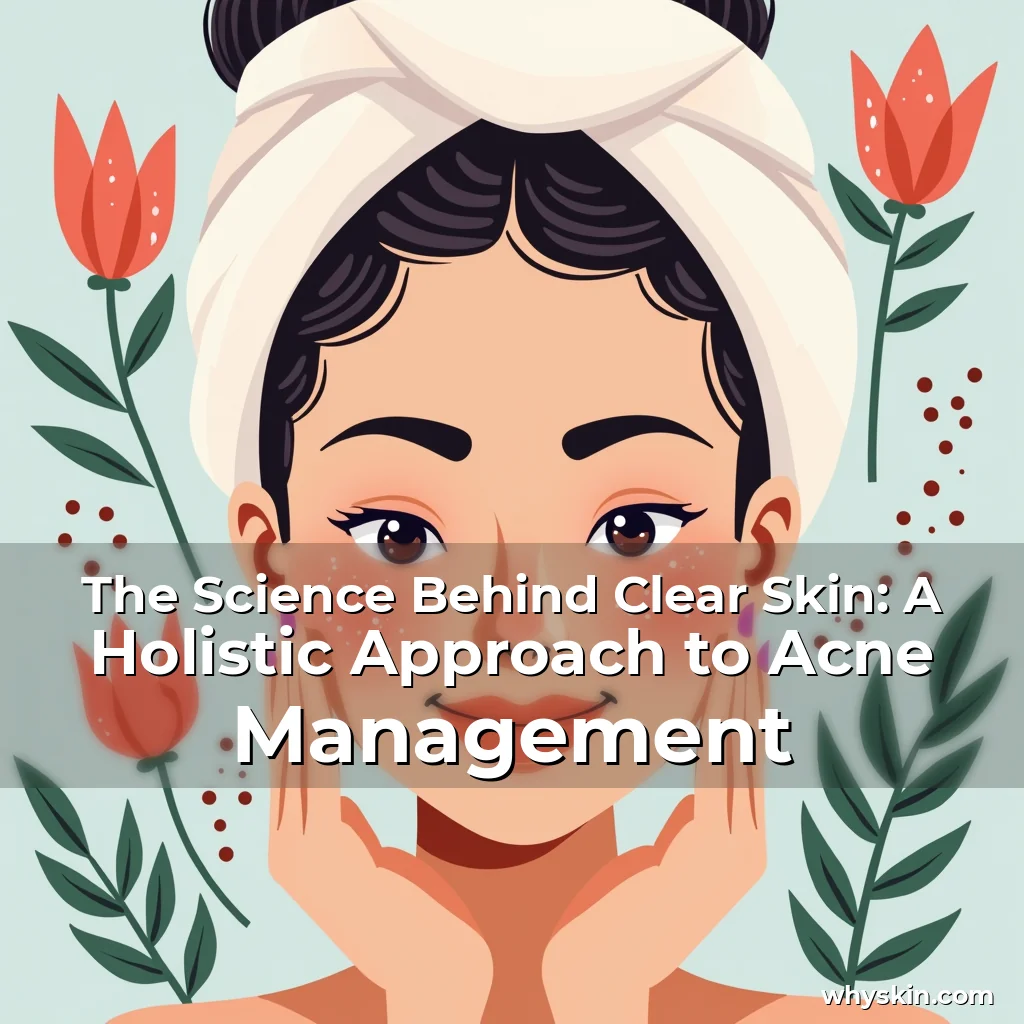
The Science Behind Clear Skin: A Holistic Approach to Acne Management
In an age where skincare is both a science and self-care ritual, understanding the intricacies of acne management has become essential for achieving healthy skin. This guide delves beyond surface-level solutions, offering a deep dive into the biological processes behind breakouts while exploring holistic strategies that address root causes rather than symptoms alone.
Acne is not merely a cosmetic concern; it’s a complex condition influenced by hormonal fluctuations, lifestyle choices, and even gut health. By adopting a multifaceted approach that combines medical knowledge with natural remedies, individuals can significantly improve their complexion without compromising overall well-being.
Understanding the Biology of Acne Formation
To effectively manage acne, it’s crucial to understand its underlying mechanisms at the cellular level. Sebaceous glands play a pivotal role in this process, producing sebum which helps lubricate the skin but can contribute to clogged pores when overactive.
Hormonal changes are among the primary triggers for increased oil production. During puberty, pregnancy, or menstrual cycles, elevated levels of androgens stimulate these glands to work overtime, often leading to visible outbreaks across various parts of the body.
- Androgen influence: Hormones such as testosterone increase sebum secretion, making oily skin more prone to blockages.
- Bacterial proliferation: Propionibacterium acnes bacteria thrive in oxygen-deprived environments created by blocked follicles, exacerbating inflammation.
Clogged hair follicles create ideal conditions for bacterial growth, initiating an inflammatory response that manifests as redness, swelling, and sometimes painful lesions. Understanding these interconnected factors provides insight into why conventional treatments may only offer temporary relief.
Genetic predisposition also plays a significant role in determining how susceptible someone is to developing acne. Individuals with family histories of severe acne tend to experience more persistent issues due to inherited traits affecting pore size and immune responses.
Lifestyle Factors That Influence Acne Development
While biology sets the stage for potential breakouts, daily habits profoundly impact whether those tendencies manifest physically. Diet, sleep patterns, stress levels, and hygiene routines all interact dynamically within our bodies’ systems.
Emerging research suggests that certain foods might trigger or worsen acne through inflammatory pathways. High glycemic index diets rich in processed sugars have been linked to increased insulin resistance, which stimulates sebum production and promotes bacterial growth.
Maintaining consistent sleep schedules supports hormonal balance necessary for regulating oil production. Chronic sleep deprivation disrupts melatonin levels, potentially contributing to erratic hormone fluctuations that aggravate existing conditions.
Stress introduces cortisol into the bloodstream—an adrenal hormone known to elevate sebum output. This creates a vicious cycle where anxiety-induced breakouts further heighten emotional distress, compounding the problem.
Dietary Considerations for Managing Acne
A growing body of evidence indicates dietary modifications could serve as powerful tools in combating acne from within. Foods high in antioxidants help neutralize free radicals that damage skin cells and promote healing.
Foods rich in omega-3 fatty acids—such as salmon, flaxseeds, and walnuts—possess anti-inflammatory properties beneficial for reducing redness and irritation associated with active pimples. Incorporating these items regularly may lead noticeable improvements over time.
Sugar intake deserves special attention since excessive consumption spikes blood glucose levels rapidly. These spikes prompt insulin release which increases androgen activity indirectly, worsening acne severity particularly during flare-ups.
Consuming dairy products regularly has shown mixed results regarding acne causation. Some studies suggest milk contains hormones and bioactive peptides that might influence sebum production differently based upon individual physiology.
Topical Treatments and Their Mechanisms of Action
Skincare formulations containing active ingredients target specific aspects of acne formation through localized application. Retinoids represent one class widely used for their ability to unclog pores and regulate cell turnover rates.
Salicylic acid functions primarily as a beta hydroxy acid capable of penetrating oil-based substances inside pores. Its keratolytic effect dissolves dead skin cells preventing complete blockage while simultaneously exfoliating surfaces gently.
Benzoyl peroxide operates via dual action—it kills P. acnes bacteria directly while also promoting mild peeling effects similar to salicylic acid. However, prolonged use may cause dryness requiring careful monitoring.
Alpha hydroxy acids provide additional benefits by enhancing moisture retention without stripping natural oils excessively. They’re especially useful post-treatment periods aimed at restoring barrier function after aggressive cleansing regimens.
Natural Remedies and Homeopathic Approaches
For those preferring non-pharmaceutical interventions, numerous plant-derived compounds show promise against mild to moderate acne cases. Tea tree oil stands out due to its potent antimicrobial qualities comparable yet gentler than synthetic alternatives.
Honey possesses inherent antibacterial capabilities thanks largely to hydrogen peroxide released naturally when exposed to air. Applying raw honey topically forms protective layers around affected areas helping reduce infection risk substantially.
Green tea extracts contain polyphenols known scientifically proven antioxidant properties beneficial towards calming inflamed tissues underneath blemishes. Regular usage might decrease frequency intensity experienced episodes significantly.
Clay masks draw impurities from deeper layers beneath epidermis using absorbent minerals present within them. Activated charcoal variants excel particularly well at removing excess sebum along with toxins trapped within pores effectively.
Medical Interventions and Prescription Medications
When over-the-counter options prove insufficiently effective, dermatologists recommend prescription therapies tailored specifically toward each patient’s unique needs. Topical retinoid prescriptions differ slightly compared store-bought versions typically stronger concentration levels.
Oral antibiotics remain common treatment modalities prescribed initially unless contraindications exist. They work mainly by inhibiting bacterial replication thus decreasing initial inflammation observed early stages development.
Hormone therapy becomes relevant consideration amongst females experiencing cyclical pattern related mostly monthly cycle variations. Birth control pills containing estrogen components help suppress testosterone driven productions occurring naturally body.
Isotretinoin represents most intensive course available reserved extreme cases resistant standard care protocols. While highly efficacious eliminating nearly all manifestations permanently, strict adherence required owing serious side effects including teratogenicity risks.
Psychological Impact and Emotional Wellbeing
Chronic acne problems extend far beyond physical appearance influencing psychological state dramatically. Feelings insecurity low self-esteem frequently accompany long-term struggles managing condition adequately.
Studies indicate correlation exists between mental health disorders depression anxiety heightened prevalence among adolescents suffering frequent recurring eruptions periodically. Addressing emotional component integral successful resolution efforts.
Support groups online communities provide vital resources connecting sufferers together sharing experiences coping strategies learning from others facing similar challenges daily life.
Mindfulness practices meditation yoga help alleviate stressors triggering hormonal imbalances thereby reducing likelihood future flare-ups arising unexpectedly.
Preventive Strategies for Long-Term Success
Educating oneself thoroughly regarding proper skincare techniques constitutes foundational step maintaining clear complexion consistently. Establish routine comprising gentle cleansers moisturizers sunscreens applied morning evening respectively.
Regular exfoliation performed safely prevents buildup dead skin cells blocking openings follicles progressively. Limit frequency however avoid damaging sensitive tissue unnecessarily causing microtears instead.
Washing bedding linens weekly removes accumulated dirt microbes transferred nightly contact sheets pillowcases constantly throughout duration sleep period.
Choosing non-comedogenic cosmetics ensures products won’t obstruct drainage channels located beneath superficial layer epidermis potentially leading comedogenesis occurrence later times.
Conclusion
This exploration underscores importance integrating scientific knowledge practical applications addressing acne comprehensively rather focusing singularly symptomatic relief measures alone.
By embracing combination approaches incorporating topical treatments medical guidance lifestyle adjustments personal wellbeing considerations individuals empower themselves achieve healthier glowing complexions sustainably over extended durations ahead.

news is a contributor at WhySkin. We are committed to providing well-researched, accurate, and valuable content to our readers.