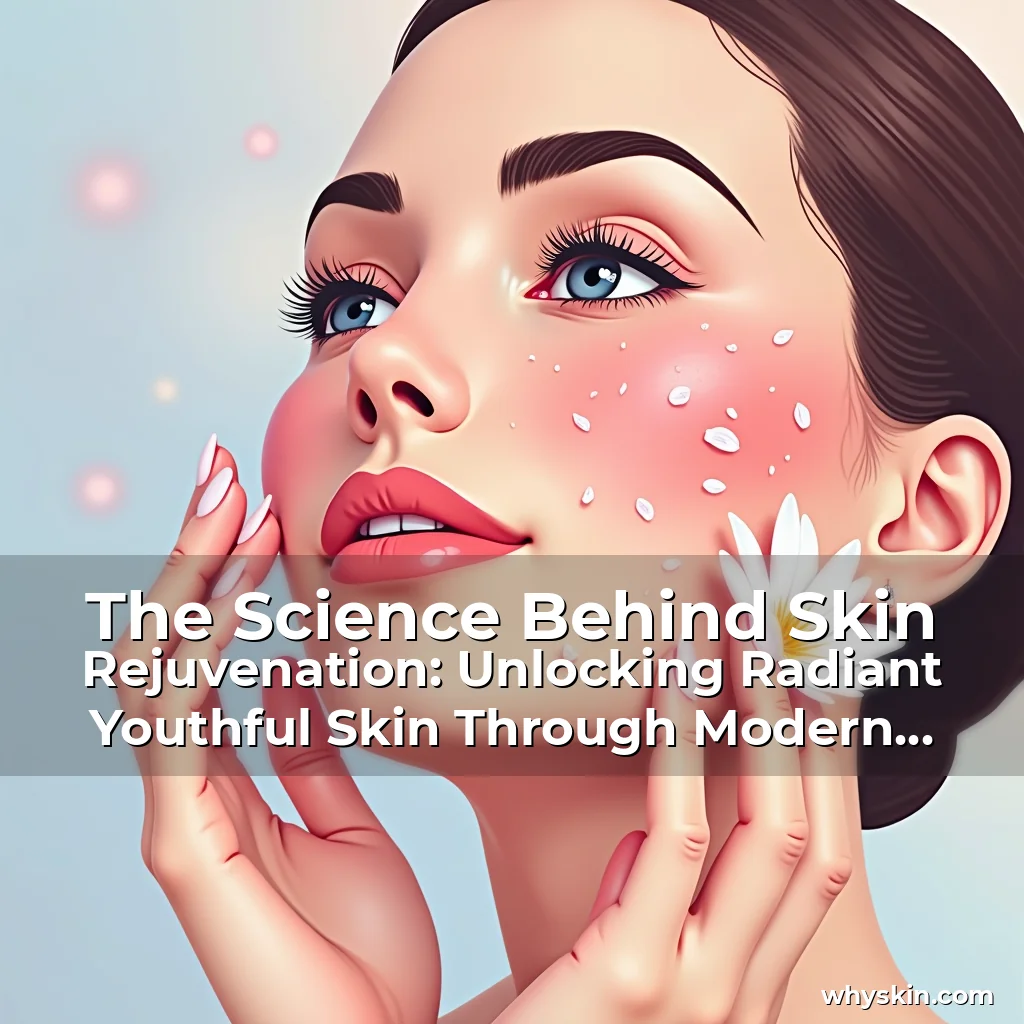
The Science Behind Skin Rejuvenation: Unlocking Radiant Youthful Skin Through Modern Innovations
Skin rejuvenation has evolved from simple topical treatments to an intricate science involving advanced technologies that target cellular renewal at its core. This transformation reflects our growing understanding of dermatology and biotechnology, offering solutions that restore youthful vitality while addressing age-related concerns.
With innovations ranging from laser therapy to stem cell research, modern skin rejuvenation techniques now offer personalized approaches tailored to individual needs. These methods not only enhance appearance but also promote long-term skin health by stimulating natural regenerative processes within the body.
Fundamental Principles of Skin Regeneration
Skin regeneration is driven by complex biological mechanisms that govern cell turnover, collagen production, and epidermal renewal. Understanding these foundational principles helps explain how various rejuvenation therapies work at a molecular level.
The process begins with keratinocytes migrating upward through the stratum corneum before shedding naturally. Simultaneously, fibroblasts produce collagen and elastin fibers essential for maintaining skin elasticity and structure.
Cellular senescence plays a critical role in aging skin as damaged cells accumulate over time. Advanced treatments aim to reverse this phenomenon by activating telomerase activity or promoting autophagy pathways.
- Collagen synthesis rates decrease by approximately 1% annually after age 25
- Dermal thickness reduces significantly between ages 30-50 due to declining hyaluronic acid levels
Advanced Technologies Revolutionizing Skin Care
Recent technological breakthroughs have transformed traditional skincare practices, enabling non-invasive procedures that deliver visible results without surgical intervention. These advancements cater to diverse patient preferences and medical requirements alike.
Laser resurfacing remains one of the most effective treatments for improving texture, reducing scars, and minimizing pore size. Fractional CO₂ lasers specifically stimulate new collagen formation by creating micro-wounds that trigger healing responses.
Emerging Treatment Modalities
Clinical trials show promising outcomes with radiofrequency microneedling devices capable of heating deep dermal layers without damaging surface skin. This dual-action approach enhances collagen remodeling while preserving tissue integrity.
Studies published in Dermatologic Surgery indicate patients undergoing RF microneedling experience up to 68% improvement in facial sagging after three sessions spaced four weeks apart.
Biochemical Approaches to Skin Renewal
Molecular-level interventions are reshaping skin rejuvenation by targeting genetic expressions associated with aging. Peptide-based formulations and growth factor serums represent cutting-edge strategies in this domain.
Tetrapeptides such as palmitoyl pentapeptide-4 demonstrate efficacy in increasing procollagen I synthesis by modulating TGF-beta signaling pathways. This biochemical stimulation promotes firmer, more resilient skin texture.
Platelet-rich plasma (PRP) injections leverage autologous blood components rich in growth factors. When injected subdermally, PRP activates fibroblast proliferation and accelerates wound healing processes.
- PRP treatment protocols typically require 3-4 sessions spaced six weeks apart
- Efficacy varies based on individual baseline skin condition and response to bioactive agents
Nutritional Foundations of Healthy Skin
A holistic approach to skin rejuvenation must consider dietary influences that affect cellular function and connective tissue strength. Essential nutrients play crucial roles in maintaining optimal skin physiology across different life stages.
Vitamin C deficiency impairs collagen cross-linking, leading to weakened structural support in the extracellular matrix. Topical application combined with oral supplementation provides synergistic benefits for skin resilience.
Zinc participates in numerous enzymatic reactions vital for skin repair. Research indicates individuals with chronic acne often exhibit lower serum zinc concentrations compared to those with clear complexion.
Omega-3 fatty acids reduce inflammation markers linked to premature aging. Regular intake supports barrier function by enhancing ceramide production in the stratum corneum layer.
Environmental Factors Affecting Skin Health
Exposure to environmental stressors accelerates photoaging and compromises skin barrier integrity. Proactive measures against UV radiation and pollution are essential components of any rejuvenation strategy.
Chronic sun exposure damages DNA via oxidative stress, triggering p53 pathway activation which can lead to precancerous lesions. Broad-spectrum sunscreen with SPF 50+ offers protection against both UVA and UVB wavelengths.
Pollution particles penetrate the skin causing reactive oxygen species (ROS) accumulation. Antioxidant-rich formulations containing vitamin E derivatives help neutralize free radicals responsible for lipid peroxidation.
Urban dwellers face higher risk of cutaneous damage due to increased particulate matter inhalation. Incorporating air-purifying products alongside regular cleansing routines mitigates cumulative effects of airborne toxins.
Psychological Dimensions of Skincare Routines
The mental-emotional state profoundly impacts skin health through neuroendocrine connections regulating sebum production and inflammatory responses. Mind-body interactions warrant consideration when designing comprehensive rejuvenation programs.
Stress-induced cortisol elevation disrupts the hypothalamic-pituitary-adrenal axis, contributing to conditions like acne vulgaris and rosacea flare-ups. Stress management techniques counteract these physiological imbalances effectively.
Regular mindfulness practice improves sleep quality, which is critical for overnight skin repair cycles. Sleep deprivation inhibits melatonin secretion necessary for cell regeneration during REM phases.
Positive emotional states enhance endorphin release, which may contribute to improved skin tone and reduced perceived signs of aging according to psychodermatology studies.
Personalized Medicine in Cosmetic Dermatology
Advances in genomics allow for customized skincare regimens based on individual genetic profiles. Tailored treatments maximize efficacy while minimizing adverse reactions through precision medicine applications.
Single nucleotide polymorphism (SNP) analysis identifies variations affecting melanogenesis pathways and vitamin D metabolism. This information guides selection of appropriate photoprotective measures and nutrient supplementation plans.
Epigenetic modifications influence gene expression patterns related to skin aging. Lifestyle factors including diet and exercise alter methylation status, impacting longevity of epidermal structures.
Pharmacogenomic testing enables clinicians to predict drug sensitivities relevant to prescription skincare ingredients. This proactive approach prevents potential irritations from incompatible compounds.
Ethical Considerations in Beauty Technology
Rapid innovation raises ethical questions regarding accessibility, safety standards, and informed consent practices within cosmetic dermatology. Balancing technological progress with societal responsibility becomes imperative.
Some advanced treatments remain prohibitively expensive, limiting access to populations who could benefit most from preventative care options. Addressing healthcare disparities requires policy reforms and industry collaboration.
Regulatory bodies must establish rigorous guidelines for novel procedures ensuring they meet safety thresholds comparable to established medical treatments. Consumer education initiatives empower individuals to make informed decisions about their skincare choices.
Transparency in advertising claims fosters trust between practitioners and clients. Evidence-based marketing avoids misleading representations about product effectiveness or procedural outcomes.
Future Directions in Skin Rejuvenation
Ongoing research explores innovative avenues for skin restoration using nanotechnology platforms and artificial intelligence integration. These emerging fields promise transformative changes in aesthetic medicine landscapes worldwide.
Smart delivery systems utilizing liposomes or nanoparticles enable targeted transport of active ingredients to specific dermal depths. This precision minimizes systemic absorption risks while maximizing localized therapeutic impact.
Artificial intelligence algorithms analyze high-resolution skin imaging data to detect early warning signs of degradation. Machine learning models assist clinicians in predicting treatment outcomes with greater accuracy than conventional assessments.
Biocompatible scaffolds seeded with autologous stem cells represent next-generation solutions for volumetric reconstruction and scar revision. Continued clinical investigation will determine long-term viability of these experimental approaches.
Conclusion
The field of skin rejuvenation continues to advance rapidly through interdisciplinary collaborations spanning biology, technology, and ethics. These developments provide unprecedented opportunities for restoring youthfulness while prioritizing overall well-being.
To achieve optimal results, individuals should adopt integrative approaches combining scientifically validated treatments with healthy lifestyle habits. Consulting qualified professionals ensures safe navigation through evolving skincare possibilities available today.

news is a contributor at WhySkin. We are committed to providing well-researched, accurate, and valuable content to our readers.