The video, which has garnered millions of views, highlighted the potential risks of sharing makeup, particularly those that are prone to bacterial growth. These products, according to the video, include mascara, eyeliner, and lip gloss. These products are often used on the face, which makes them more susceptible to bacteria. The video also emphasized the importance of hygiene and proper storage. It suggested that makeup should be stored in a clean, dry place, away from direct sunlight.
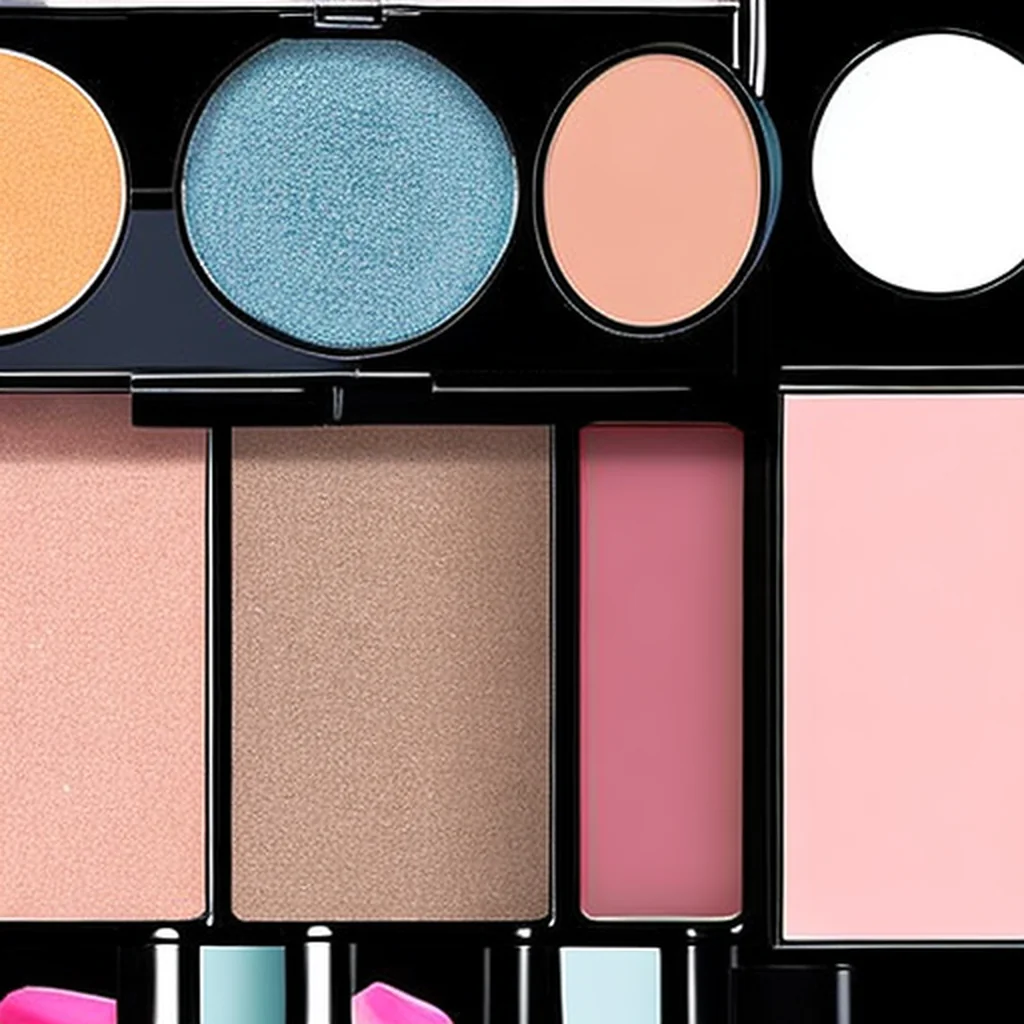
One TikTok that recently went viral discussed the beauty products that could be the most unsanitary makeup options to borrow (stock image) In the viral video, Andrea explained she’d be happy to share her Dior blush, lipstick, Miss Dior perfume, lipliner, or highlighter, but she would never loan her beauty blender In the viral video, Andrea explained she’d be happy to share her expensive Dior blush ($40), lipstick, Miss Dior perfume ($100), lipliner, or highlighter, but she would never loan her beauty blender, which costs about $20. Commenters were quick to weigh in with the products they would happily swap with their friends, as well as the ones they would never allow anyone to touch.
This is a common practice among many people, especially those with sensitive skin or allergies. The practice of not sharing makeup products is a growing trend, particularly among millennials and Gen Z. This trend is driven by a growing awareness of the potential risks associated with sharing personal care products.
Valerie Aparovich is a biochemist and certified cosmetologist-aesthetician at OnSkin, a cosmetic scanner that decodes ingredients in cosmetics and analyzes products Commenters were quick to weigh in with the products they would happily swap with their friends, as well as the ones they would never allow anyone to touch Some clarified that they’d be willing to share the product but not the applicator. Valerie Aparovich, biochemist and certified cosmetologist-aesthetician at OnSkin, a cosmetic scanner that decodes ingredients in cosmetics and analyzes products, revealed to FEMAIL which products are shareable and which are the most unhygienic. ‘The eyes are a particularly vulnerable facial area since they lack the protective barriers that skin has, making them more susceptible to infections,’ Valerie told DailyMail.com.
Is sharing caring? The beauty items you should NEVER swap Mascara Eye shadow Eyeliner Lipstick Lip gloss Advertisement ‘Mascara can harbor and, therefore, spread harmful microbes, which can lead to conjunctivitis or pink eye.’ ‘Overall, sharing beauty products that contact the eyes, such as eye shadows, eyeliners, and eye makeup brushes, is a trouble-free transfer for bacteria and viruses from one person to another, so you should keep these items to yourself to maintain eye health,’ the cosmetologist said. According to Valerie, sharing lip products is equally risky, ‘because it can easily transmit germs from one person to another through traces of saliva.’
Let’s take a closer look at how lip products can facilitate the spread of HSV-1. * **Direct contact:** The most obvious way HSV-1 can spread is through direct contact. Sharing lip products, whether it be balms, glosses, or lipstick, directly transfers the virus from one person to another.
This statement is a guideline for sharing makeup products, particularly powder-based products, with friends. It emphasizes the importance of hygiene and minimizing the risk of contamination. The summary highlights the following key points:
* **Powder-based products:** This refers to makeup products like blush, bronzer, and highlighter that are typically in powder form.

news is a contributor at WhySkin. We are committed to providing well-researched, accurate, and valuable content to our readers.