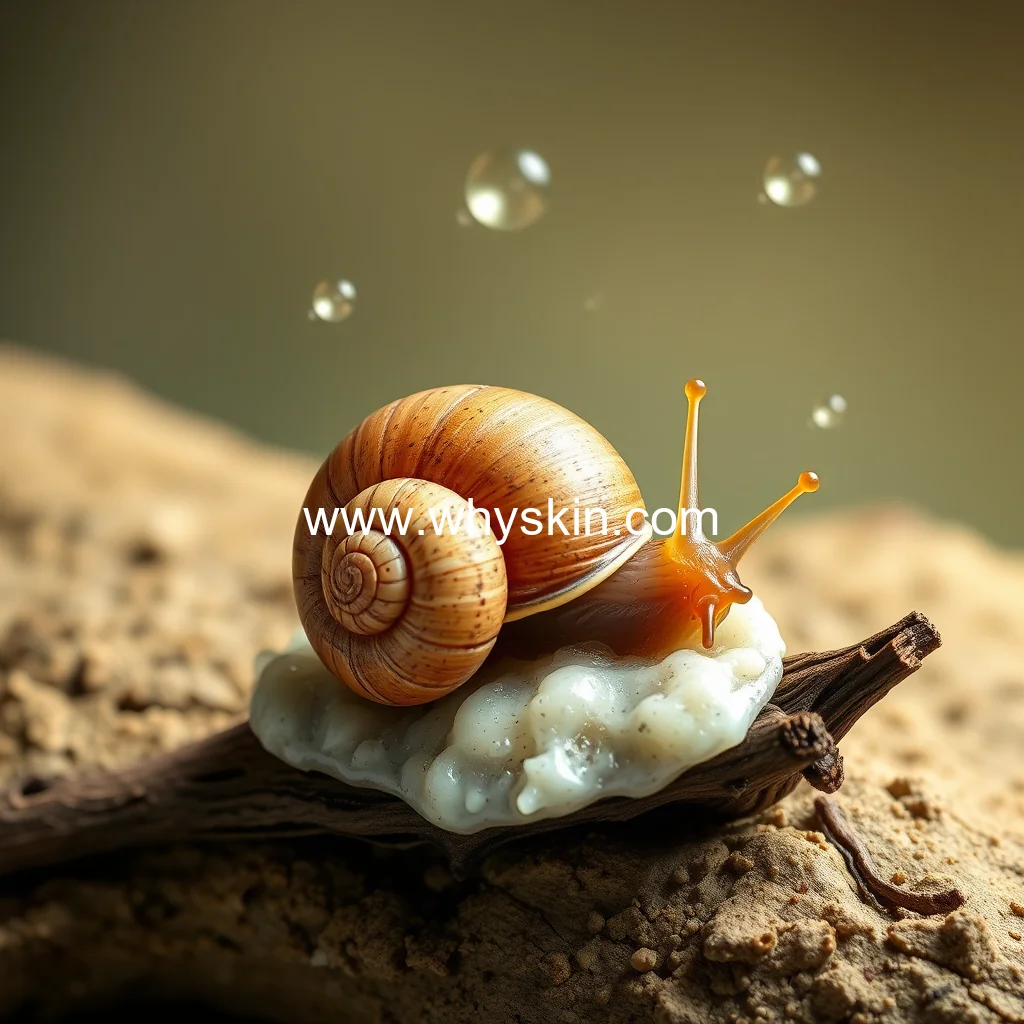
This complex system allows them to move efficiently and protect themselves from predators.
The Multitasking Slime System of Snails
Snails have evolved an extraordinary slime system that serves multiple purposes. This system is comprised of three distinct components: the antimicrobial barrier, the lubricant, and the adhesive.
The Antimicrobial Barrier
The antimicrobial barrier is a critical component of the snail’s slime system. It is produced by the snail’s foot and is composed of a mixture of antimicrobial peptides and proteins.
These ingredients are all beneficial for the skin, but they are not the only ones. Glycosaminoglycans are the key to unlocking the full potential of skin care products.
The Magic of Glycosaminoglycans
Glycosaminoglycans (GAGs) are a type of carbohydrate molecule that plays a crucial role in maintaining the skin’s natural barrier function. They are composed of a long chain of sugar molecules, which are linked together by glycosidic bonds.
The Ancient Roots of Mollusk-Based Medicine
The use of mollusk extracts in traditional medicine dates back thousands of years, with evidence of its application found in various cultures around the world. From the ancient Greeks to the people of southwest Cameroon, mollusk extracts have been used to treat a range of ailments, including colds, infections, and burns.
The Science Behind Mollusk-Based Medicine
So, what makes mollusk extracts so effective? The answer lies in the unique properties of the mucin found in snail slime. Mucin is a complex mixture of glycoproteins and glycolic acid, which has been shown to have anti-inflammatory and antimicrobial properties. When applied topically, mucin can help to soothe and protect the skin, reducing inflammation and promoting wound healing.
This process is repeated multiple times to collect the slime, which is then filtered and purified to create the final product.
The Science Behind Snail Slime
Understanding the Composition of Snail Slime
Snail slime, also known as snail mucin, is a complex mixture of glycoproteins, glycolipids, and other compounds. The exact composition can vary depending on the species of snail, but it generally contains:
But the benefits of snail slime are undeniable.
The Power of Snail Mucin: Unlocking its Skin Benefits
Snail mucin, a natural ingredient extracted from snails, has gained popularity in recent years due to its numerous skin benefits. This slimy substance, rich in nutrients and antioxidants, has been used for centuries in traditional medicine to promote skin health and rejuvenation. In this article, we will delve into the world of snail mucin, exploring its composition, benefits, and uses.
Composition of Snail Mucin
Snail mucin is a complex mixture of proteins, glycoproteins, and glycolic acid, which provides it with its unique properties.
The Power of Snail Mucin: Unlocking its Skin Benefits
Snail mucin, a natural ingredient extracted from snails, has gained popularity in recent years due to its numerous skin benefits. This slimy substance, rich in glycoproteins and glycolic acid, has been used for centuries in traditional medicine to promote skin health and beauty.
What is Snail Mucin? Snail mucin is a complex mixture of proteins, glycoproteins, and glycolic acid, which are responsible for its unique properties. It is produced by snails as a protective barrier against their environment and is rich in nutrients that help to heal and repair damaged skin. ### Key Benefits of Snail Mucin
What works for one person may not work for another.
The Science Behind Snail Mucin
Snail mucin, also known as snail slime, is a natural substance produced by snails to protect their skin from dehydration and damage. It’s rich in glycoproteins, glycolic acid, and hyaluronic acid, making it a potent ingredient for skin care. The unique composition of snail mucin has been studied extensively, and its benefits for the skin have been well-documented. Rich in glycoproteins, which help to repair and regenerate skin cells
Benefits for Different Skin Types
While snail mucin is often associated with its hydrating properties, it also offers benefits for other skin types.

news is a contributor at WhySkin. We are committed to providing well-researched, accurate, and valuable content to our readers.