
Here are some key points about sheet masks and their benefits:
Benefits of Sheet Masks
Types of Sheet Masks
There are many different types of sheet masks available, catering to various skin types and concerns. Some popular types include:
K-beauty is all about finding the right combination of ingredients that work for your skin type and concerns. It’s not just about slapping on a toner and calling it a day. It’s about understanding your skin’s needs and creating a customized routine that addresses those needs.
Understanding Your Skin Type
Before diving into the world of K-beauty, it’s essential to understand your skin type. There are five main skin types: normal, dry, oily, combination, and sensitive. Each skin type has its unique characteristics, and what works for one skin type may not work for another. Normal skin is balanced and even-toned, with a mix of oily and dry areas. Dry skin is tight and flaky, with a lack of moisture. Oily skin is shiny and prone to acne, with an overproduction of sebum. Combination skin is a mix of oily and dry areas, with a tendency to get oily in certain areas.
Enhancing the Flavor of Your Tea
When it comes to brewing the perfect cup of tea, the flavor profile is a crucial aspect to consider. The type of tea leaves, steeping time, and temperature can all impact the final taste. However, there are several ways to enhance the flavor of your tea beyond these basic elements.
Adding Aromatics
One of the simplest ways to elevate the flavor of your tea is by adding aromatics. These can include herbs, spices, and flowers that complement the natural flavors of the tea leaves. Some popular options include:
When using aromatics, it’s essential to remember that a little goes a long way. Start with a small amount and adjust to taste, as overpowering the tea can be detrimental to its flavor.
Sweetening and Spicing
Another way to enhance the flavor of your tea is by adding sweeteners or spices. Some popular options include:
When adding sweeteners or spices, be mindful of the amount used.
Niacinamide (from rice flour or serum) helps firm and improve skin elasticity. Hyaluronic acid (from seaweed or serum) helps retain moisture and plump up your skin. Korean face masks can also include other ingredients like green tea, ginseng, and licorice root, which are known for their antioxidant and anti-inflammatory properties.
The Power of Korean Face Masks
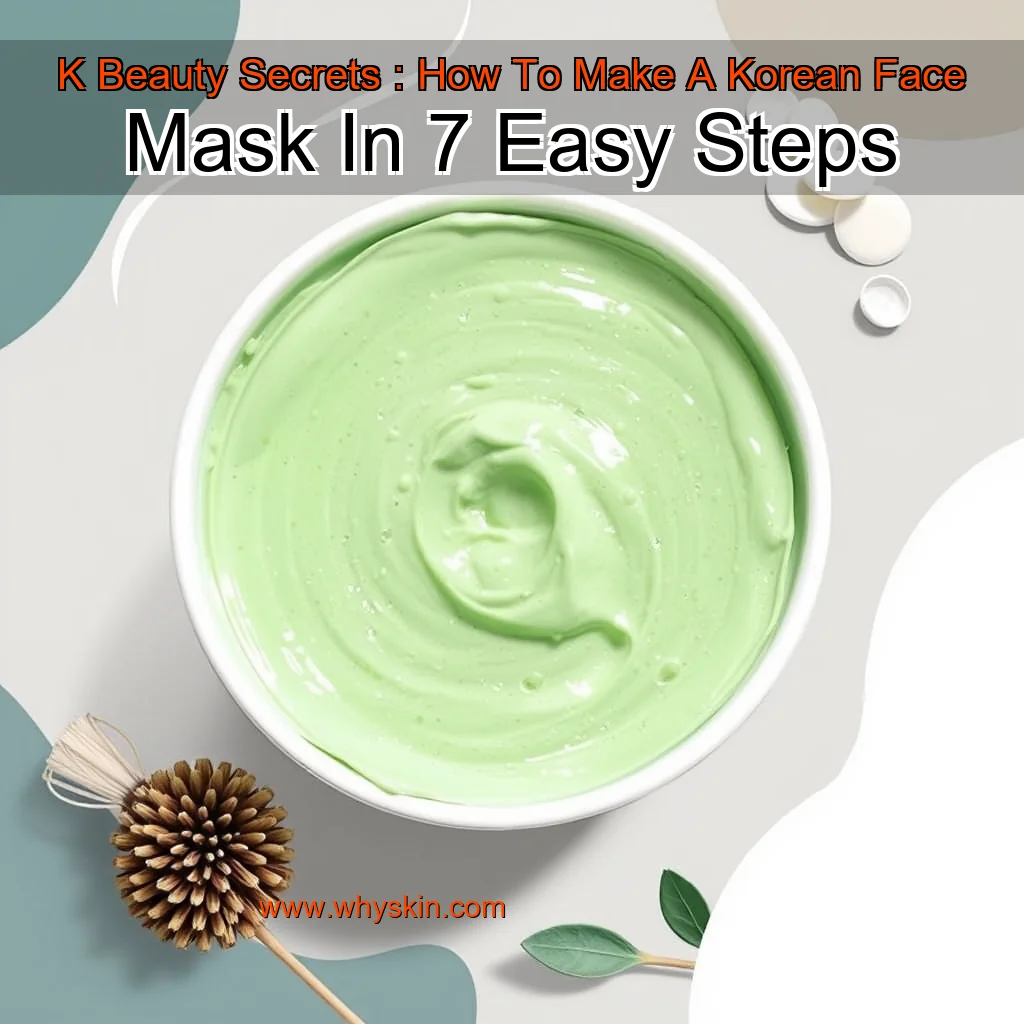
Korean face masks have gained immense popularity worldwide for their ability to deliver a range of benefits to the skin. From brightening and firming to repairing and hydrating, these masks offer a wide range of advantages that cater to different skin types and concerns. In this article, we will delve into the world of Korean face masks and explore their ingredients, benefits, and uses.
Ingredients and Benefits
Korean face masks often include a combination of powerful ingredients that work synergistically to provide a range of benefits. Some of the most common ingredients found in Korean face masks include:
The Importance of Double Cleansing in K-Beauty
Double cleansing is a fundamental step in the K-beauty routine, and it’s essential to understand its significance.
The Benefits of a Clay Mask
A clay mask is a type of facial treatment that has been used for centuries to detoxify and purify the skin. The benefits of a clay mask are numerous, and it can be an effective addition to your skincare routine.
Detoxification and Purification
The detoxifying properties of clay masks can be attributed to the presence of minerals such as kaolin and bentonite.
The mask is designed to penetrate deep into the skin, so be patient and let it work its magic.
Introduction
K-beauty has taken the world by storm, and one of its most popular and effective practices is the use of face masks. Korean face masks are renowned for their high-quality ingredients, unique formulations, and numerous benefits for the skin.

news is a contributor at WhySkin. We are committed to providing well-researched, accurate, and valuable content to our readers.


